Why Every Warehouse Needs Clear Pedestrian Walkway Markings
Warehouses are one of the highest-risk work environments in New Zealand. Forklifts, pallet jacks, and heavy machinery share the same space as workers on foot — and when the movement of people and vehicles isn't clearly defined, accidents happen. Clear pedestrian walkway markings are one of the most cost-effective safety investments a warehouse can make.
The Risk: People and Machinery in the Same Space
WorkSafe New Zealand consistently identifies pedestrian/vehicle interaction as a leading cause of serious harm in warehouses and distribution centres. When workers and forklifts share undefined space, the consequences can be severe. The solution isn't complicated — but it does need to be visible, consistent, and maintained.
What the Law Says
Under the Health and Safety at Work Act 2015, employers have a duty to manage risks in the workplace. For warehouses and factories, this includes:
- ✓Separating pedestrian and vehicle traffic where practicable
- ✓Clearly marking safe walking routes for workers
- ✓Ensuring visitors and contractors can safely navigate your site
- ✓Maintaining markings so they remain clear and visible
What Good Walkway Marking Looks Like
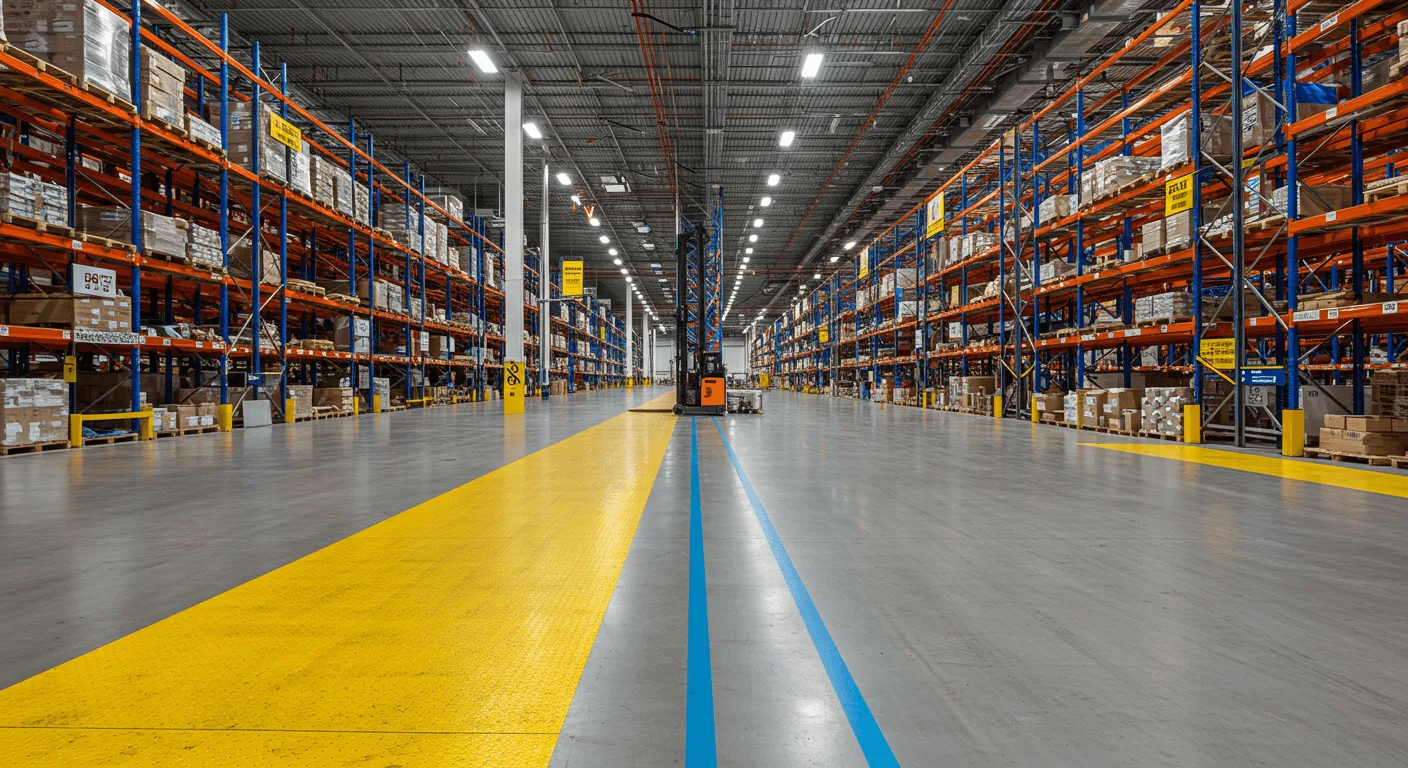
Effective warehouse walkway markings go beyond painting a few white lines. A well-marked facility includes:
- ✓Clearly defined pedestrian corridors at least 1 metre wide
- ✓Forklift lanes marked separately from pedestrian zones
- ✓Zebra crossing markings at vehicle crossing points
- ✓Hazard zones around blind corners, loading docks, and intersections
- ✓Keep-clear zones in front of emergency exits and fire equipment
- ✓High-visibility colours — yellow for pedestrian zones, blue or orange for vehicle routes is common practice
The Right Paint for Warehouse Floors
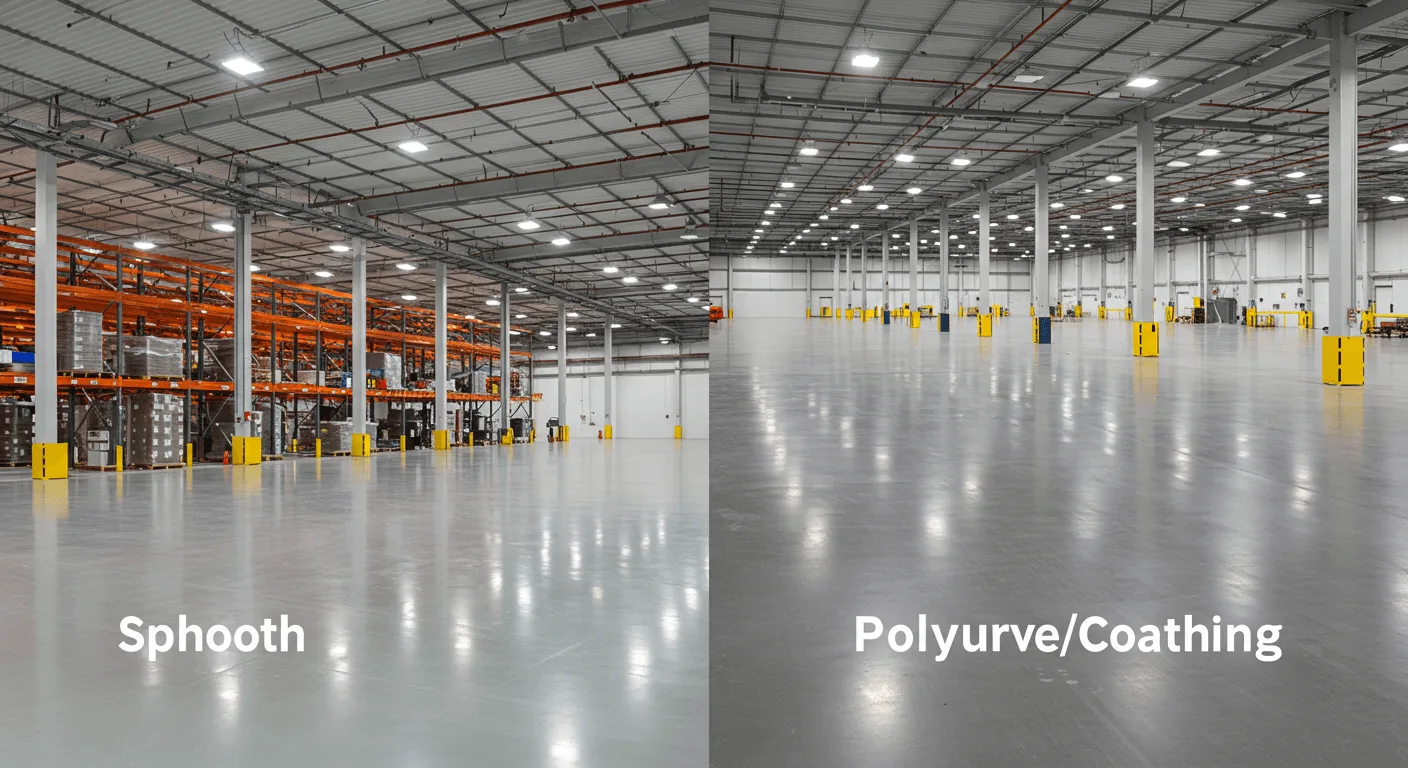
Not all floor paints hold up in a warehouse. The best options for high-traffic industrial floors are:
- ✓Epoxy — Bonds to concrete, extremely durable, chemical-resistant
- ✓Polyurethane — More flexible, good for areas with temperature fluctuation
- ✓Non-slip aggregates — Can be added to any coating for wet or high-risk areas
How Often Should Warehouse Markings Be Refreshed?
In busy warehouses, floor markings can fade within 6 to 12 months due to forklift traffic, pallet movement, and cleaning chemicals. We recommend:
- ✓Annual inspection of all floor markings
- ✓Immediate repainting of any markings that are faded or damaged
- ✓Proactive scheduling of re-marking during shutdowns or quiet periods
📋 Official NZ Resources
- →WorkSafe NZ — Vehicles & Mobile Plant Safety
Official WorkSafe New Zealand guidance on managing vehicle and pedestrian traffic in workplaces.
- →Health and Safety at Work Act 2015 — NZ Legislation
The primary workplace health and safety legislation in New Zealand.
- →WorkSafe NZ — Forklifts and Pedestrian Safety
WorkSafe guidance on managing the risk of forklifts and pedestrian interaction.
Clear walkway markings are a straightforward, affordable way to reduce risk, meet your legal obligations, and protect your team. We offer night and weekend marking to minimise disruption to your operations. Get in touch for a free site assessment.